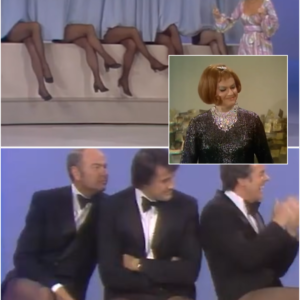
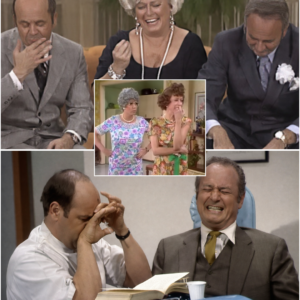
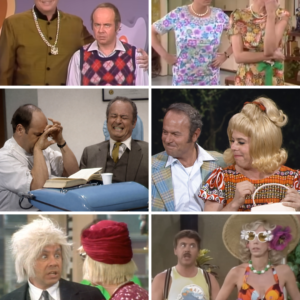
In a moment of pure comedy gold, Tim Conway and Jonathan Winters collided in a sidesplitting sketch set in a football locker room. The year might have been the early 1970s, but the uproarious laughter still echoes today — proof that some comedic chemistry never fades.
The Setup
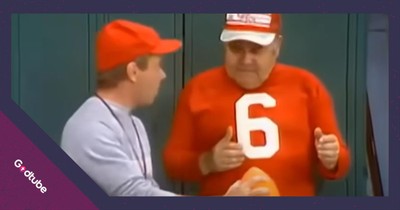
The sketch opens in a stereotypical football locker room: lockers lining the walls, sweaty athletes milling about, the tension of game day hanging in the air. Enter Jonathan Winters as the eccentric coach—clipboard in hand, boundary-pushing pep talk in progress. Tim Conway strides in as the hapless player who’s clearly missed the dress code memo — helmet askew, jersey inside-out, making eyes at the mirror instead of listening to the coach.
The Comedy Unfolds
From the moment Conway delivers his first ridiculous line, the scene spirals into glorious chaos. Winters’ stern “team huddle” quickly disintegrates into absurdity as Conway asks bewildering questions like: “Coach, do we run the ball into the opponent or around them?” Winters’ exasperated stare, Conway’s clueless grin, and the perfect timing of every pause build and build until the audience is helpless.
Classic elements:
A slow-motion walk across the locker room by Conway, helmet bouncing.
Winters trying to regain control by giving a serious tactical diagram on a chalkboard, only for the chalk to magically break when he touches it.
Conway’s off-beat reactions: nodding when he should be confused, confused when he should be nodding.
The climactic moment: Conway declares he’s “ready to win the big game… unless the other team cheats.” Winters throws up his hands and mutters: “That’s the spirit.”
Why It Still Works
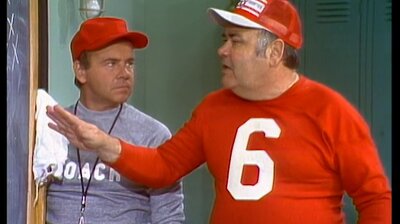
Comedic masters at work. Conway’s gift for playing the gloriously clueless character meets Winters’ improvisational genius. The result: a sketch that feels spontaneous, fresh, and endlessly rewatchable.
Relatable absurdity. Locker room stereotypes + over-the-top behavior = absolute joy. Even if you know nothing about football, you feel the ridiculous stakes.
Timing, timing, timing. The pauses, the glances, the one-liners—they all land with precision. It’s the kind of sketch where silence becomes part of the joke.
A snapshot of variety show brilliance. This isn’t subtle modern comedy—it’s bold, theatrical, and unabashedly fun, capturing a moment when TV laughed hard and often.
When the lights came up, the audience wasn’t just chuckling—they were gasping for breath. Fans walked out of the studio still sniggering, replaying Conway’s awkward shuffle and Winters’ “What did I just say?” face in their heads. Years later, die-hard fans of classic TV still clip this scene, share it on nostalgic nights, and say: “Now that’s how you do a sketch.”
If you let yourself float in that locker room for just three minutes, you’ll discover: laughter that remains pure, timeless, and totally un-polished. Because at the end of the day, what more could you want than two comedy legends sending a football team into chaos?