Black pimples on the skin are usually caused by clogged pores that trap oil, dead skin cells, and bacteria. Over time, the trapped material can darken due to exposure to air, creating small black or dark spots that look like tiny pimples. These commonly appear on areas like the face, back, chest, shoulders, and buttocks.

Related Posts
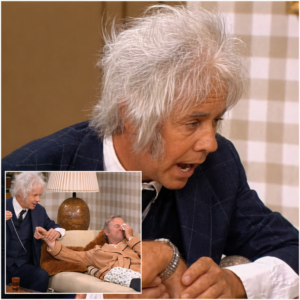
“I CAN’T STOP LAUGHING AT THIS!” Fans still love the unforgettable chemistry between Tim Conway and Harvey Korman in The Old Doctor, a sketch that turned a simple setup into pure comedy gold
“I CAN’T STOP LAUGHING AT THIS!” Fans still love the unforgettable chemistry between Tim Conway and Harvey Korman in The Old Doctor, a sketch that turned a…
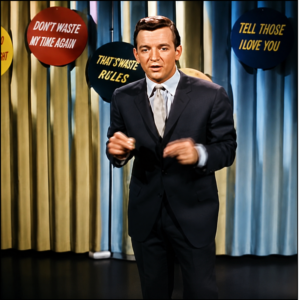
As Bobby Darin performed his hit from 1959, Nobody Knew the Secrets He Kept Hidden
Bobby Darin’s “Dream Lover” first twinkled into existence when he penned and recorded it on March 5, 1959. We can almost picture him in the studio, heart…
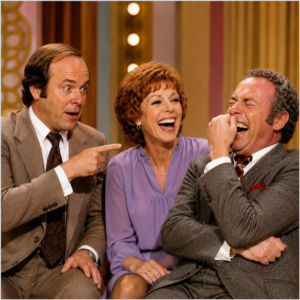
Carol Burnett, Tim Conway & Harvey Korman: The Laughter That Could Never Be Rehearsed
There was something unforgettable about the moment Carol Burnett, Tim Conway, and Harvey Korman stepped onto the same stage. The audience knew they were about to see…
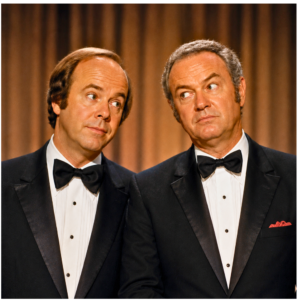
Tim Conway & Harvey Korman: The Comedy Duo That Could Make Anyone Laugh
Some comedy partnerships are written into television history, but few have ever matched the effortless chemistry of Tim Conway and Harvey Korman. Whether they were performing a…
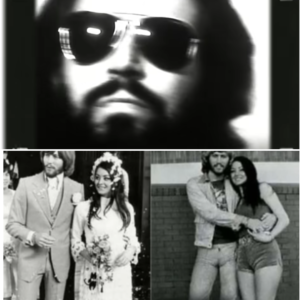
This song was recorded in 1993, and today it is regarded as one of the greatest songs of all time.
In 1993, the Bee Gees stunned critics and fans alike with the release of For Whom the Bell Tolls, a soul-stirring ballad that proved their songwriting genius…
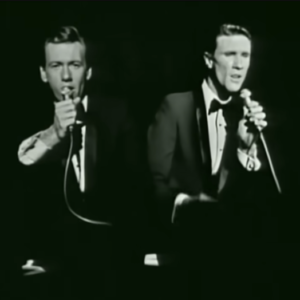
In 1964, This Classic Hit Was Most Played Song Across American Radio Broadcast And Still Everyone Loves It
The video below features The Righteous Brothers, Bill Medley and Bobby Hatfield, gracing the state with a “blistering” live performance of their classic hit, “You’ve Lost That…