Hello, I’m Tim Conway. I Miss the Audience, the Stage, and the People Who Made Me Laugh
Hello, I’m Tim Conway.
I miss the audience.
I miss the stage.
And most of all, I miss the wonderful people I had the joy of performing with.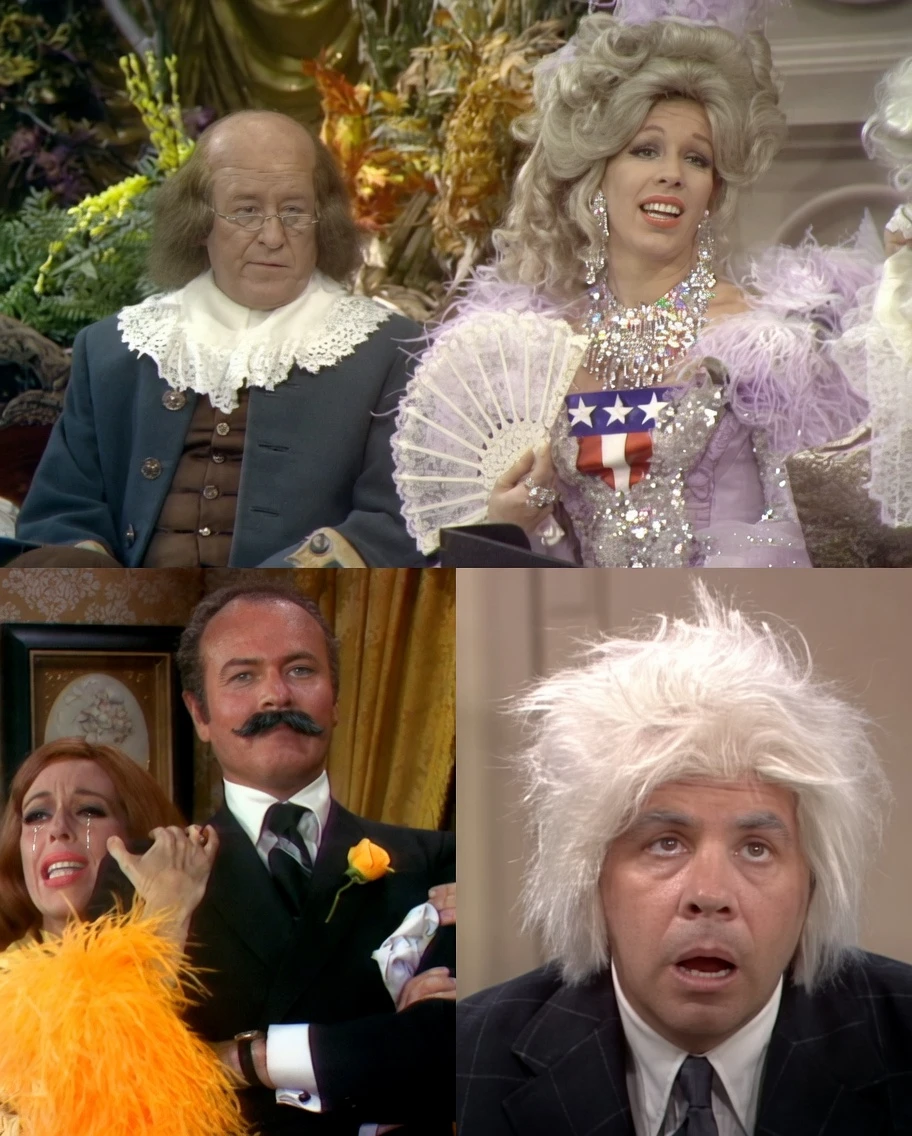
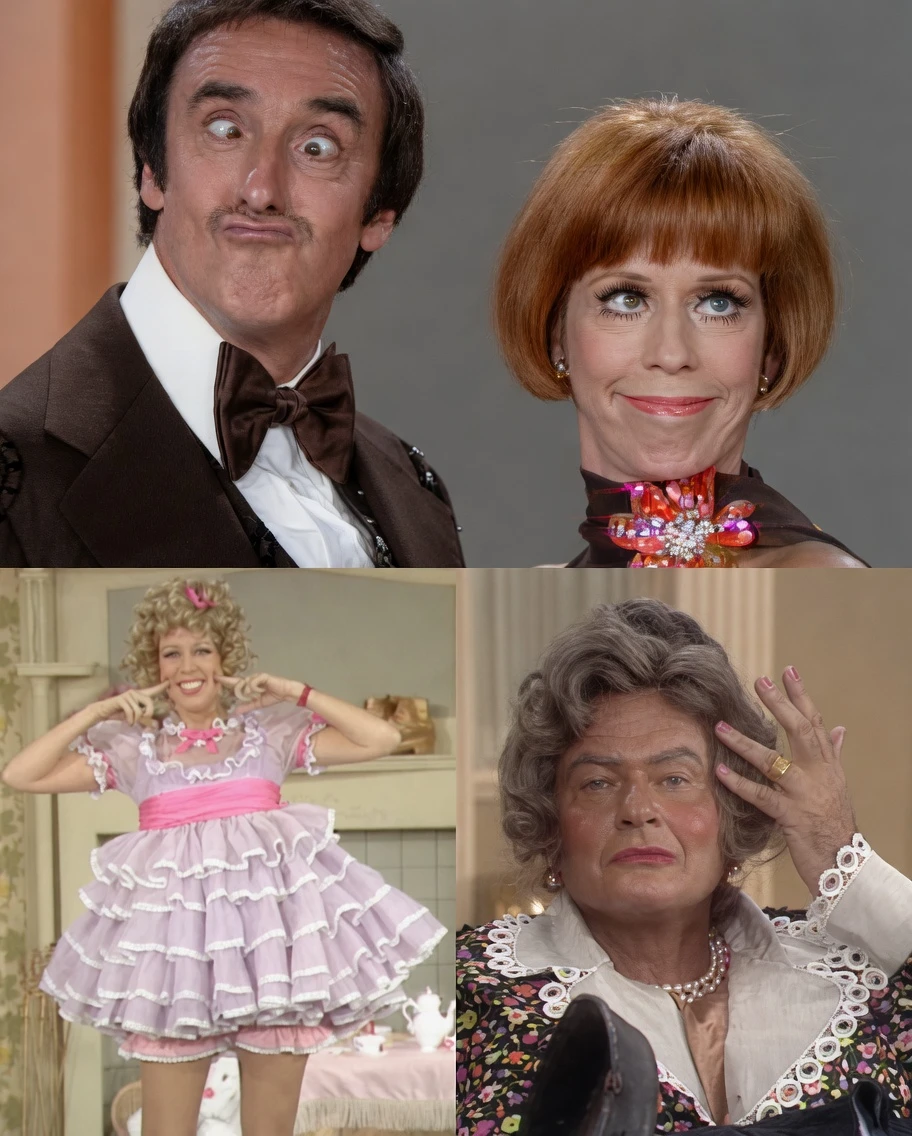
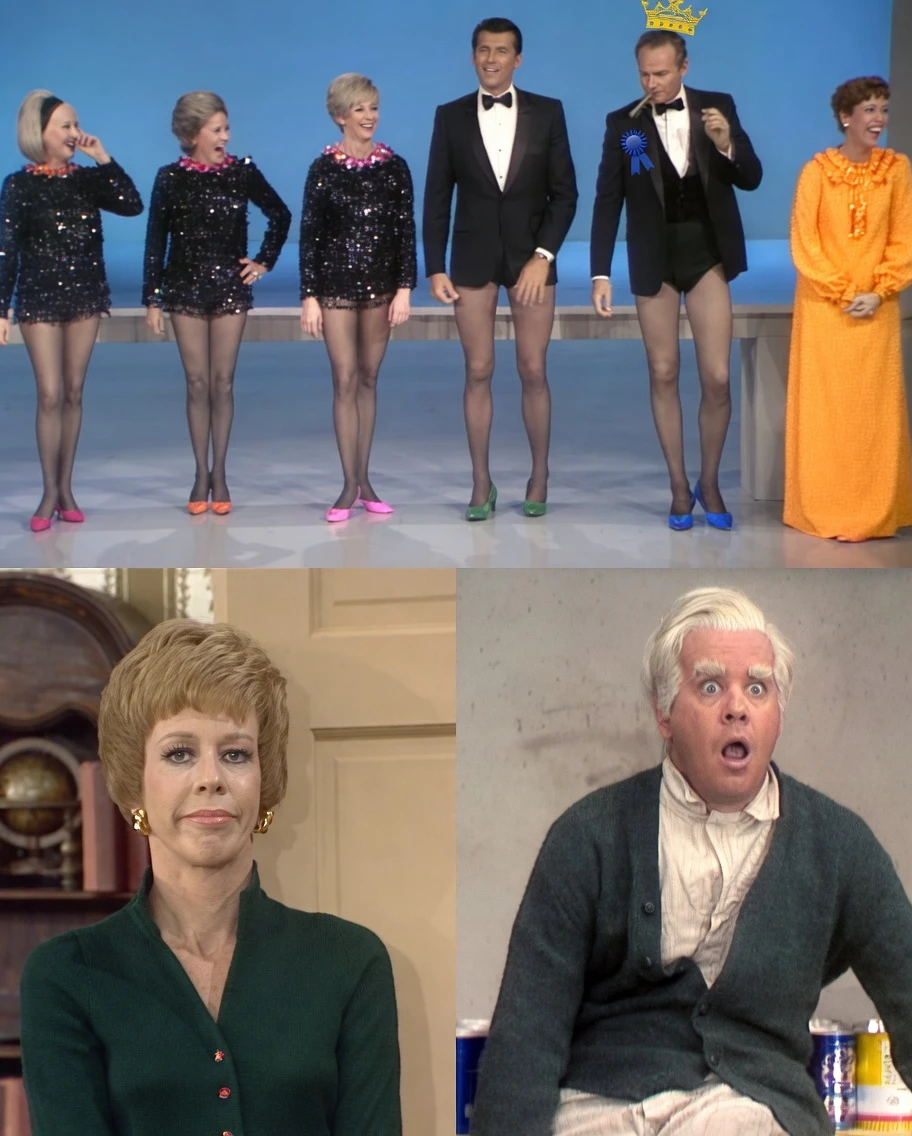
Those words sound simple, but if you ever spent your life in front of a camera, under hot studio lights, surrounded by laughter, applause, and the unpredictable magic of live television, you would understand how much they mean.
For Tim Conway, comedy was never just about telling jokes.
It was about timing.
It was about silence.
It was about looking at another performer and knowing exactly how far you could push them before they completely lost control.
It was about creating a moment so funny, so unexpected, and so human that people would still be laughing about it decades later.
Tim Conway became one of the most beloved comedians in American television history not because he tried to be the loudest person in the room, but because he understood something rare: the funniest moment is often the quietest one before the explosion.
He could walk into a scene slowly, almost painfully slowly, and the audience would already begin to laugh before he said a single word.
He could pause.
He could blink.
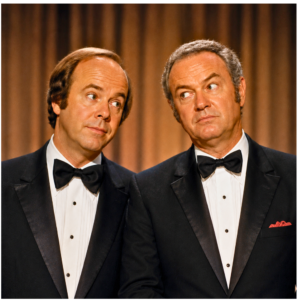
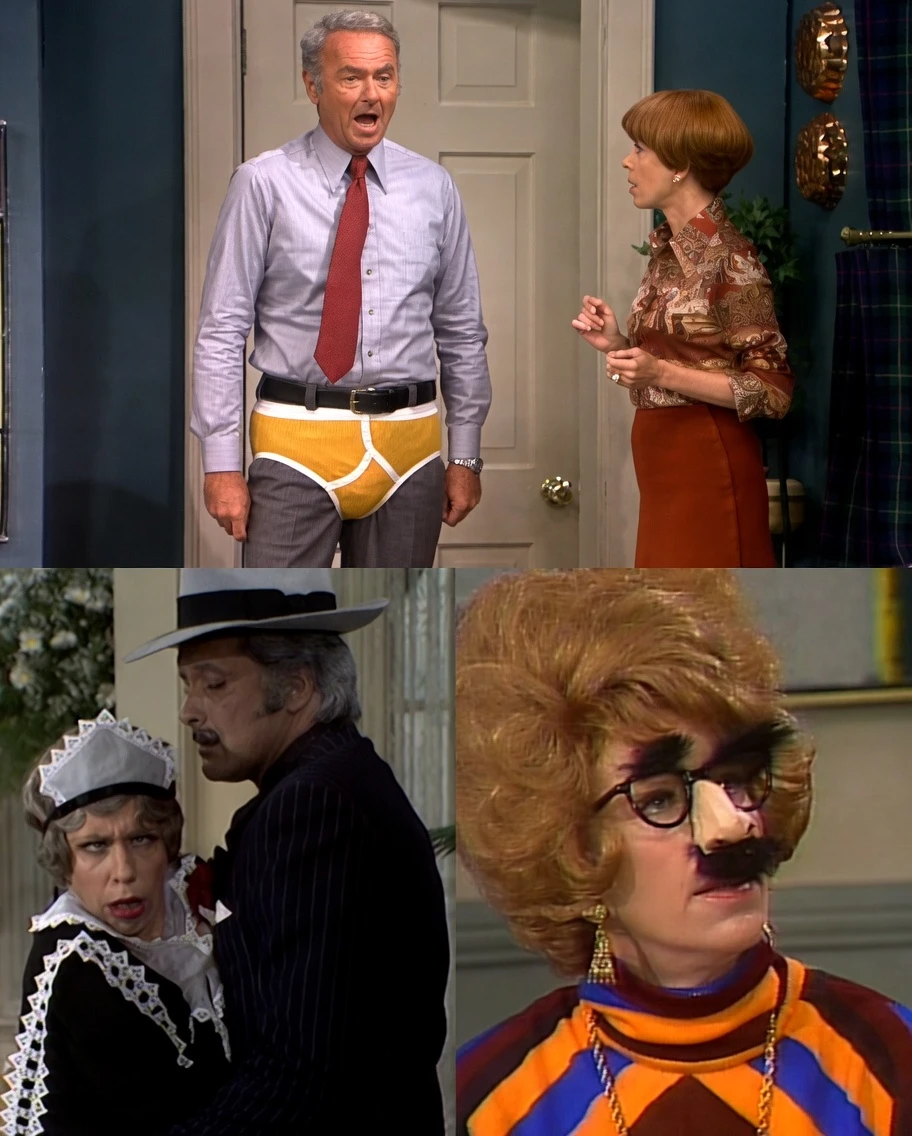
He could stare blankly at Harvey Korman.
And somehow, the entire room would fall apart.
That was the genius of Tim Conway.
He didn’t force laughter.
He invited it.
He let it grow.
Then, when everyone thought they had control, he delivered one small gesture, one strange sound, or one perfectly timed line that destroyed every bit of composure left in the room.
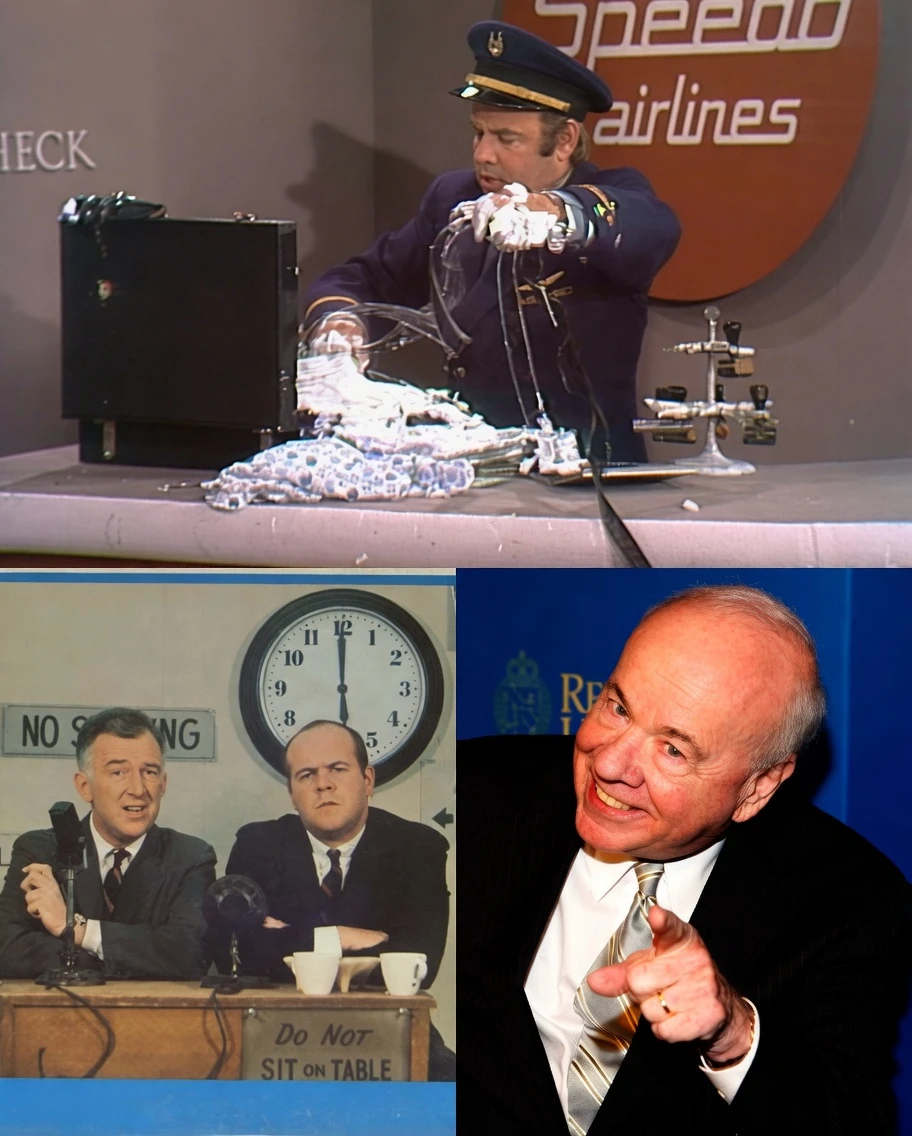
On The Carol Burnett Show, Tim Conway found the perfect home for his gift.
It was a place where sketch comedy was not only performed, but truly lived.
The cast was more than a group of actors.
They were partners in chaos.
Carol Burnett, Harvey Korman, Vicki Lawrence, Lyle Waggoner, and Tim Conway created a kind of television magic that is almost impossible to recreate today.
There were scripts, of course.
There were rehearsals.
There were carefully written sketches.
But when Tim stepped into a scene, anything could happen.
And that was the thrill.
The audience knew it.
The cast knew it.
Harvey Korman definitely knew it.
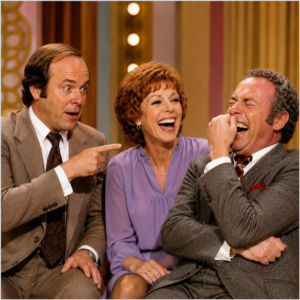
One of the greatest joys of watching Tim Conway perform was seeing how hard Harvey Korman tried not to laugh.
Harvey was a brilliant actor, polished and professional, with a strong theatrical presence.
But Tim had a special talent for breaking him.
Sometimes it only took a look.
Sometimes it took one ridiculous voice.
Sometimes it took a completely unexpected line that clearly had not been part of the original script.
Harvey would tighten his face, bite his lip, look away, or try to cover his laughter.
But it rarely worked.
The more Harvey fought, the funnier Tim became.
And the more serious Tim stayed, the more impossible it became for everyone else to survive the scene.
That was not just comedy.
That was friendship in motion.
It was trust.
It was two performers who understood each other so well that the laughter became part of the performance.
In many ways, Tim Conway represented a golden age of television comedy.
Back then, comedy did not need massive special effects.
It did not need shocking language.
It did not need viral tricks or social media controversy.
It needed performers who understood character, rhythm, and humanity.
Tim could make a sketch unforgettable with a walk.
He could turn a dentist’s office into complete madness.
He could tell a story about an elephant and bring an entire cast to the edge of collapse.
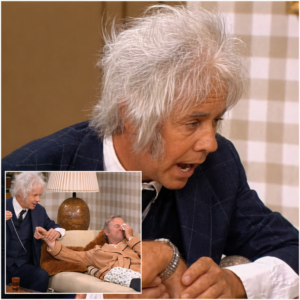
He could play an old man moving slower than time itself and somehow make every second funnier than the last.
His humor was physical, but it was never empty.
His characters were silly, but they were never careless.
There was warmth behind everything he did.
Even when he played someone confused, strange, or ridiculous, he gave that character a strange kind of dignity.
That was part of why people loved him.
Tim Conway never made the audience feel like they were laughing at cruelty.
They were laughing at absurdity.
They were laughing at innocence.
They were laughing at the beautiful foolishness of being human.
And perhaps that is why his comedy still feels fresh today.
Many old television moments fade with time.
Some jokes depend too much on the era in which they were made.
Some performances lose their power once the world changes.
But Tim Conway’s comedy remains alive because it was built on something timeless.
A funny face is timeless.
A perfect pause is timeless.
A friend trying not to laugh is timeless.
A room full of people losing control because one man refused to break character is timeless.
When people watch those clips today, they are not just watching old television.
They are watching joy.
They are watching performers who loved what they were doing.
They are watching a kind of comedy that feels honest, warm, and deeply human.
There is also something emotional about hearing the words, “I miss the audience.”
Because for a performer like Tim Conway, the audience was not just a crowd.
The audience was part of the music.
Their laughter shaped the rhythm of the sketch.
Their applause gave life to the moment.
Their reaction told the performers when to pause, when to push, and when to let the joke breathe.
A live audience is unpredictable.
That is what makes it powerful.
When Tim heard laughter, he knew exactly how to use it.
He could stretch a moment just a little longer.
He could wait until the laughter began to settle, then gently drop another joke into the silence.
He understood that comedy was not only about speaking.
It was about listening.
Listening to the audience.
Listening to the room.
Listening to the energy between performers.
That is why the stage mattered so much.
The stage was where everything became real.
A script could be written on paper, but the magic happened under the lights.
The stage was where nerves turned into laughter.
Where mistakes became legendary.
Where one unexpected moment could become television history.
For Tim Conway, the stage was not just a workplace.
It was home.
And then there were the people.
The wonderful people he had the joy of performing with.
No comedian creates greatness alone.
Tim Conway’s brilliance shined so brightly because he was surrounded by performers who understood him, trusted him, and sometimes feared what he might do next.
Carol Burnett gave him space to be unpredictable.
Harvey Korman gave him the perfect serious face to destroy.
Vicki Lawrence matched the madness with sharp timing of her own.
Together, they created scenes that felt less like performances and more like private jokes the whole world was lucky enough to witness.
That is what makes Tim Conway’s legacy so special.
He gave people laughter, but he also gave them comfort.
Families gathered around the television and laughed together.
Parents, grandparents, and children all found something to enjoy.
His comedy crossed generations because it came from a place of kindness.
He did not need to shock people.
He simply needed to be Tim.
Slow.
Deadpan.
Mischievous.
Brilliant.
Unforgettable.
Today, when fans look back on Tim Conway, they remember more than the sketches.
They remember how he made them feel.
They remember laughing until they cried.
They remember watching Harvey Korman fall apart.
They remember Carol Burnett trying to keep the show moving while chaos unfolded beside her.
They remember a time when television felt like a shared family experience.
They remember joy.
And maybe that is the greatest gift any comedian can leave behind.
Not fame.
Not awards.
Not applause.
But joy that continues long after the final curtain.
So when we imagine Tim Conway saying, “Hello, I’m Tim Conway. I miss the audience, I miss the stage, and I miss the wonderful people I had the joy of performing with,” it feels like more than a line.
It feels like a farewell.
But also a thank-you.
A thank-you to the audience who laughed with him.
A thank-you to the stage that gave him a home.
A thank-you to the friends who helped create magic.
And a reminder that real comedy never truly disappears.
It lives on in every replayed sketch.
Every shared clip.
Every laugh that starts small and then becomes uncontrollable.
Tim Conway may no longer walk slowly across that stage, but the laughter he created is still moving through the world.
And somewhere, every time Harvey Korman breaks character again on our screens, it feels as if Tim is still there.
Quietly waiting.
Perfectly serious.
Ready to make everyone laugh one more time.