In 1966, a breezy and upbeat tune titled “Georgy Girl” burst onto the international music scene and unexpectedly became a global sensation. Performed by Australian folk-pop group The Seekers, the song not only served as the title track for the British film
Georgy Girl, but also achieved remarkable crossover success, reaching No. 2 on the U.S. Billboard Hot 100 and No. 3 on the UK Singles Chart. At a time when the British Invasion dominated global airwaves, The Seekers brought a distinctly different sound—anchored in folk but polished with pop sensibility—and “Georgy Girl” became their signature. With its uplifting melody and introspective lyrics, it captured the optimism and contradictions of the swinging sixties, becoming a defining anthem of its time.
Formed in Melbourne in 1962, The Seekers consisted of lead singer Judith Durham, Athol Guy, Keith Potger, and Bruce Woodley. They began as a traditional folk outfit performing in local clubs, but quickly evolved into an internationally successful group thanks to their clean harmonies, acoustic instrumentation, and a sound that stood apart from the electric, rock-driven acts dominating the charts. Their authenticity and wholesome image appealed to a wide range of listeners, and Judith Durham’s crystal-clear voice gave them a distinctive edge. Unlike many of their contemporaries, The Seekers maintained a polished, almost choral vocal style that felt both timeless and fresh, resonating across age groups and continents.
The creation of “Georgy Girl” came about through a collaboration with the film’s producers. The lyrics were penned by Jim Dale, who had a background in both pop songwriting and comedic performance, while the music was composed by Tom Springfield, known for his work with The Springfields and his skill in blending folk melodies with contemporary arrangements. The song was written specifically for the film of the same name, which told the story of a quirky, shy young woman navigating London’s rapidly shifting cultural landscape. The lyrics act as both encouragement and commentary, urging Georgy to embrace life more fully—a message that paralleled the feminist undertones of the film itself.
In the studio, The Seekers approached “Georgy Girl” with their characteristic precision. Produced by Tom Springfield, the song was recorded in London and featured the group’s hallmark acoustic guitar-driven arrangement. The track opens with a whistled melody, which instantly set it apart and made it instantly memorable. Judith Durham’s vocals are front and center, soaring above the intricate harmonies of her bandmates. The recording captured a lightness and warmth that echoed the film’s tone, while the rhythmic bounce and tight production ensured its pop accessibility. Springfield’s arrangement subtly blended folk instrumentation with orchestral touches, allowing the song to feel at home on both pop radio and in a movie theater.
Upon its release in late 1966, “Georgy Girl” quickly gained momentum. It was nominated for an Academy Award for Best Original Song and received a Golden Globe nomination as well. In the United States, where The Seekers were relatively new to mainstream audiences, the song became their most successful single. Its peak at No. 2 on the Billboard Hot 100 placed them in the same league as The Beatles and The Beach Boys, a rare feat for a folk-pop group from Australia. It remained on the U.S. charts for 14 weeks and sold over a million copies, earning gold record status and cementing The Seekers’ place in the pop pantheon.
Beyond its commercial success, “Georgy Girl” made a cultural impact by reflecting the mood of its era. It captured the spirit of self-discovery, female empowerment, and youthful independence that permeated mid-60s cinema and society. The character Georgy represented a new kind of heroine—awkward but endearing, ordinary but evolving—and the song became a companion to her journey. In many ways, “Georgy Girl” served as a sonic counterpoint to the more rebellious or psychedelic tracks of the time. It offered a different vision of liberation: one rooted in self-acceptance and optimism rather than defiance.
For The Seekers, the success of “Georgy Girl” marked the high point of their international career. The hit opened doors to major television appearances, including The Ed Sullivan Show in the U.S. and special broadcasts in the UK and Australia. It expanded their audience beyond the folk circuit and introduced them to mainstream pop fans. Tours across Europe and North America followed, and the song’s popularity elevated Judith Durham to near-iconic status as one of the few female lead vocalists of a major 60s group. It also led to the release of an album of the same name, which performed strongly in both the U.S. and UK markets.
The ripple effect of “Georgy Girl” was felt across genres. It demonstrated that folk-rooted music could thrive in the pop world without losing its integrity. The song’s success encouraged other folk-pop acts—like Peter, Paul and Mary and The Mamas & The Papas—to pursue crossover hits. Additionally, its use in film paved the way for more integrated marketing between movies and pop music, a strategy that would become increasingly common in later decades. The way “Georgy Girl” connected a narrative arc to a chart-topping single set a template for future soundtrack-driven hits.
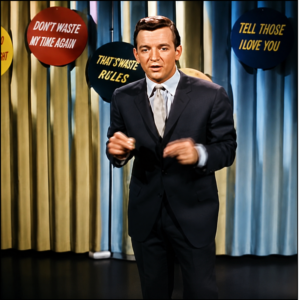
Not surprisingly, “Georgy Girl” was widely covered in the years following its release. Artists such as Baja Marimba Band and Bobby Vinton offered instrumental and vocal versions, respectively, though none matched the original’s vitality. Even in parody, the song found new life—Allan Sherman famously reworked the lyrics in a humorous send-up. These covers and references kept the song in public consciousness for years, though few could replicate the charm and sincerity that The Seekers delivered.
At the time of “Georgy Girl’s” success, The Seekers were already approaching a major transition. In 1968, just two years after their global breakthrough, Judith Durham announced her departure from the group to pursue a solo career. The news shocked fans but also underscored the personal evolution suggested by the song itself. While the group would reunite in various forms in the decades to come, the original lineup’s magic seemed crystallized in this one unforgettable moment, when their sound and the cultural zeitgeist aligned perfectly.
Over the decades, “Georgy Girl” has remained a beloved relic of 1960s pop culture. It continues to appear in retrospectives, television commercials, and nostalgic compilations. The song’s message—encouraging personal growth and joyful self-assertion—has kept it resonant long after the film it accompanied faded into obscurity. Its musical charm and positive message allow it to transcend its era, appealing to new generations who discover it through streaming platforms or curated playlists.
From a historical perspective, “Georgy Girl” contributed to the broadening of pop music’s palette. It proved that international acts from outside the dominant UK-US axis could have massive, lasting hits. It also offered a more accessible, less abrasive alternative to the harder-edged rock emerging in 1966, thus preserving a space for melody-driven pop on the charts. Its structure, instrumentation, and vocal performance became a model for subsequent folk-pop songs aiming for mainstream appeal.
In 2014, The Seekers were honored with the Order of Australia, and their contributions to music were further recognized with their induction into the ARIA Hall of Fame. While “Georgy Girl” remains their most iconic track, it also represents the culmination of their artistry: tight vocal harmony, lyrical clarity, and the ability to speak to universal human experiences with sincerity and grace.
In the final analysis, “Georgy Girl” endures because it tells a story we still recognize—the tension between who we are and who we could be. Wrapped in a sunny melody and delivered with warmth and precision, it stands as one of pop’s most optimistic anthems. For The Seekers, it marked a pinnacle they would never quite replicate, but also a gift to music history that still sings as clearly now as it did in 1966.