In 1962, Gene Pitney’s heartfelt ballad *Only Love Can Break a Heart* became one of the defining songs of his career, solidifying his reputation as one of the most expressive voices of the era. Written by the legendary songwriting duo Burt Bacharach and Hal David, the song featured lush orchestration and deeply emotional lyrics that resonated with listeners. It climbed the *Billboard Hot 100* to reach No. 2, narrowly missing the top spot, which was occupied by The Crystals’ *He’s a Rebel*. Though it fell just short of No. 1, it became Pitney’s biggest U.S. hit and remains one of his most recognized recordings.
Gene Pitney, born in *Hartford, Connecticut, in 1940*, displayed remarkable musical talent from an early age. As a teenager, he immersed himself in songwriting and performance, forming a band and experimenting with different styles. Though he initially made a name for himself as a songwriter, crafting hits such as *Hello Mary Lou* for Ricky Nelson and *Rubber Ball* for Bobby Vee, Pitney’s distinct, emotionally charged voice set him apart from other singers of his time. His ability to inject raw feeling into his performances allowed him to transition from a behind-the-scenes songwriter to a successful solo artist.
The song itself was crafted by *Bacharach and David*, two of the most influential songwriters of the 1960s, known for their sophisticated melodies and introspective lyrics. Bacharach’s signature orchestrations paired with David’s poetic storytelling created a song that perfectly captured the bittersweet experience of love and heartbreak. The lyrics paint a picture of romantic loss with a sense of resignation rather than bitterness, a nuance that made the song especially poignant. Bacharach later cited *Only Love Can Break a Heart* as one of his most memorable compositions, noting Pitney’s delivery as a key factor in its emotional impact.
The recording took place at *Bell Sound Studios in New York City*, with Bacharach personally overseeing the session to ensure the arrangement matched his vision. The orchestration featured sweeping string sections, a delicate piano melody, and an understated rhythm section that gave the song its melancholic yet elegant feel. Pitney’s vocal performance was filled with longing and vulnerability, a stark contrast to the bombastic rock and roll style dominating the charts at the time. Bacharach’s trademark use of unexpected chord progressions and shifting rhythms added a level of sophistication that set the song apart from other ballads of the era.
Upon its release, the song was met with widespread praise from critics and fans alike. Many applauded *Pitney’s ability to convey deep emotion* without becoming overly theatrical, a skill that made him stand out among his peers. The single quickly became a staple on AM radio stations across the country, appealing to listeners drawn to its wistful, introspective lyrics. Though it missed the No. 1 position on the *Hot 100*, it dominated the *Easy Listening* chart, expanding Pitney’s fanbase beyond the teenage rock and roll crowd.
The success of *Only Love Can Break a Heart* was significant in shaping the trajectory of popular music at the time. It demonstrated that deeply emotional ballads could hold their own against the rising tide of rock and roll. By blending orchestral grandeur with contemporary pop sensibilities, the song bridged the gap between the refined crooner era of the 1950s and the more intricate songwriting styles that would come to define the 1960s. Its success also reaffirmed Bacharach and David as two of the most innovative songwriters of the decade.
Pitney’s career soared following the song’s release. While he had already achieved recognition with *Town Without Pity*, *Only Love Can Break a Heart* propelled him to greater heights. He became a major star not only in *America* but also in *the United Kingdom*, where he found even greater success. His unique ability to switch between rock-influenced tracks and orchestral ballads made him a versatile performer, appealing to a wide audience. His newfound fame led to high-profile television appearances, international tours, and collaborations with some of the biggest names in music.
The song’s impact extended far beyond Pitney’s own career. Its lush, cinematic sound set a precedent for future ballads, influencing artists such as *Dusty Springfield* and *Dionne Warwick*, both of whom would later collaborate with Bacharach and David. The combination of orchestral arrangements with deeply personal lyrics became a signature style that would shape the evolution of adult contemporary music. It also inspired a wave of similar ballads that blended classical instrumentation with modern pop melodies, helping to redefine the genre.
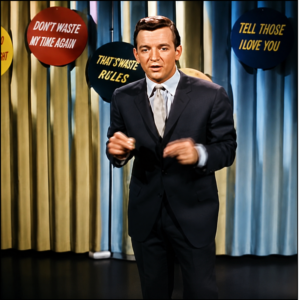
*Only Love Can Break a Heart* has been reinterpreted by several artists over the years. *Sonny James* recorded a country version in 1972, which became a Top 10 hit on the *Country Charts*, proving the song’s versatility. Other artists, including *Jack Jones* and *Bobby Vinton*, also recorded their own renditions, each offering a different take on the song’s themes of heartbreak and longing. However, *Pitney’s original version remains the definitive recording*, widely regarded as the most evocative due to its orchestral depth and his signature vocal delivery.
Even decades after its release, *Only Love Can Break a Heart* remains one of *Pitney’s most cherished songs*. It continues to receive regular airplay on classic hits stations and is frequently included in collections of the greatest love songs of the 1960s. Its universal message of heartbreak ensures that it resonates with audiences across generations, a testament to its lasting emotional power.
The song also played a key role in shaping *the evolution of pop ballads*, influencing the rise of *orchestral pop and soft rock* in later decades. The combination of sweeping instrumentation, introspective lyrics, and a deeply emotive vocal performance became a blueprint for future ballads. Its legacy is evident in the work of countless artists who sought to replicate its balance of commercial appeal and artistic depth.
Although *Gene Pitney passed away in 2006*, his musical influence remains strong. His ability to deliver lyrics with sincerity and depth has ensured that his recordings continue to endure. Today, *Only Love Can Break a Heart* serves as a lasting reminder of a golden era in pop music, capturing the complexities of love and heartache in a way that remains just as moving as it was six decades ago.